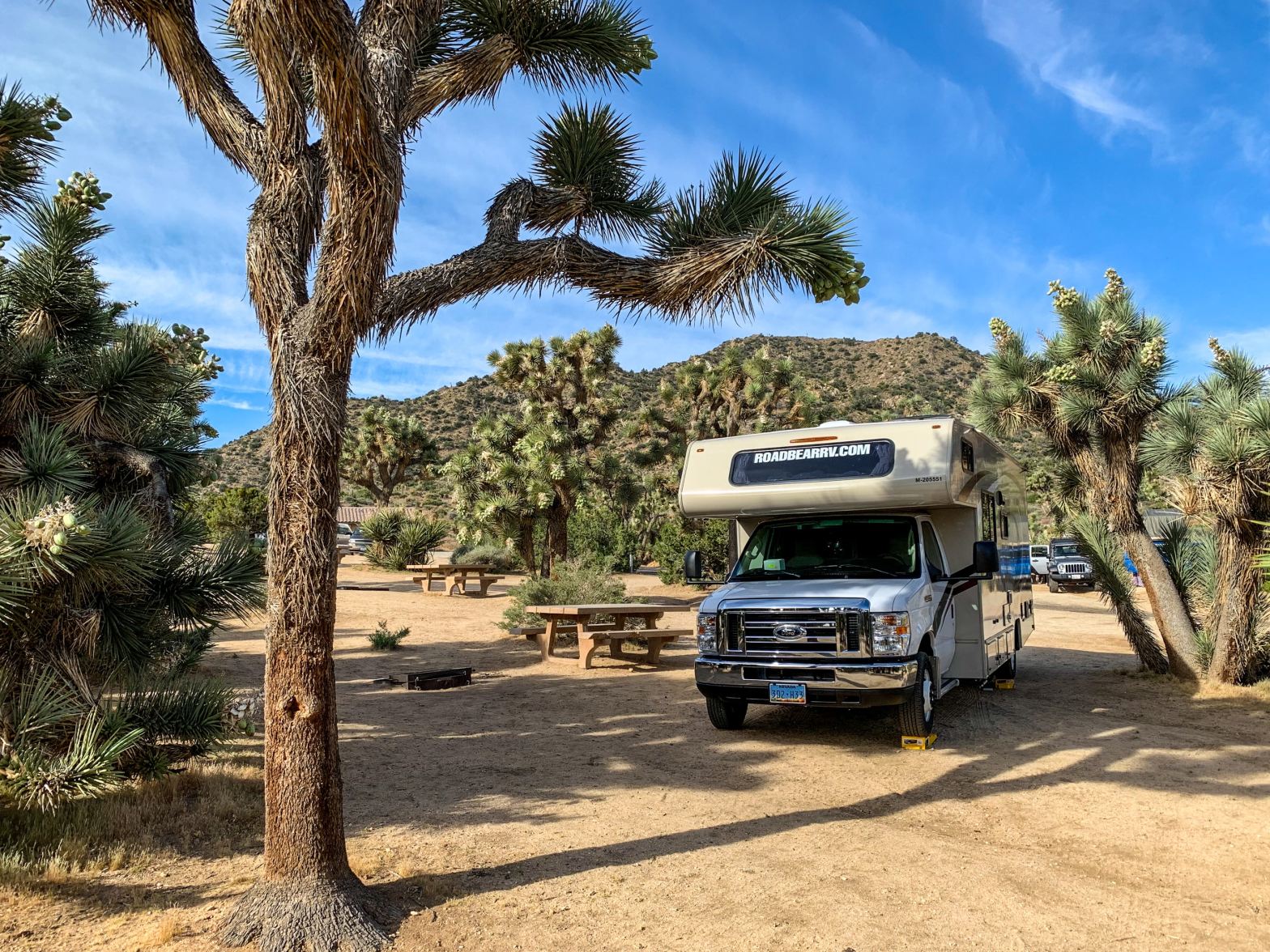
Recreational vehicles have long been a symbol of adventure and freedom on the open road. If you plan on taking an RV rental in Naples, FL on the road, you need to be ready to tow or drive the rig. While the idea of cruising the highways and byways in a home on wheels is undeniably appealing, the thought of driving with it can be intimidating. Learn more about towing or driving a rental unit and how you can prepare for it.
Size Matters
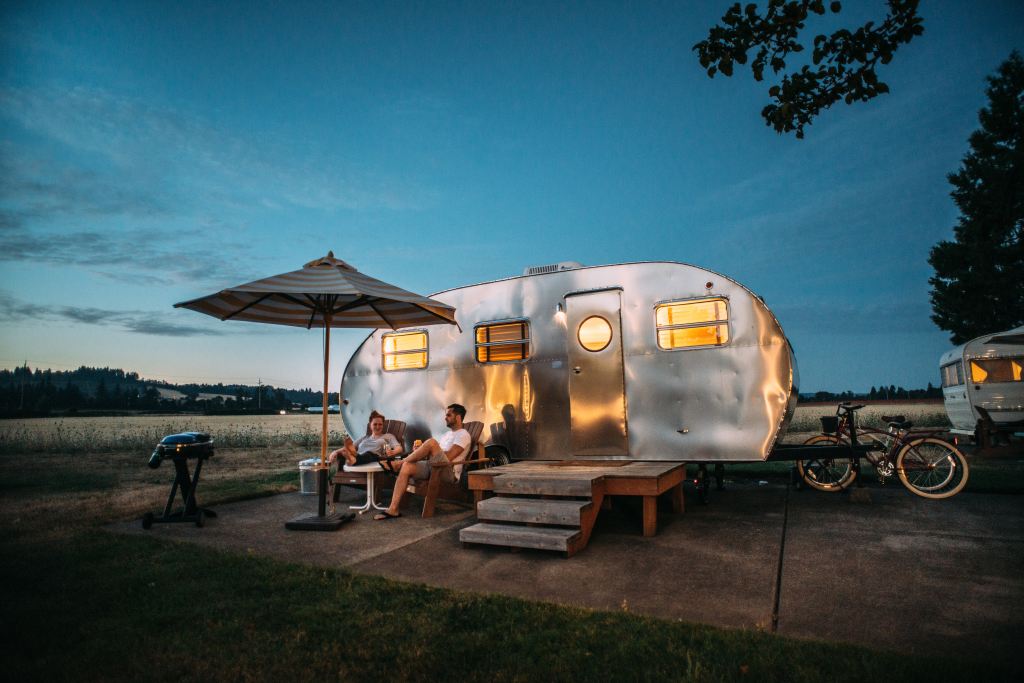
One of the primary factors that influence the difficulty of towing or driving an RV is its size. RVs come in a wide range of sizes, from small teardrop trailers to huge motorhomes that look like small houses on wheels.
The size of the RV you choose will have a significant impact on how hard it is to control. If you’re driving a long class C or pulling a long travel trailer, it will be more difficult to control than a small one. It’s important to note that your vehicle needs to be able to handle the weight of the travel trailer. If you try to pull a 6,000 pound travel trailer with an SUV or tiny pick-up, it won’t work.
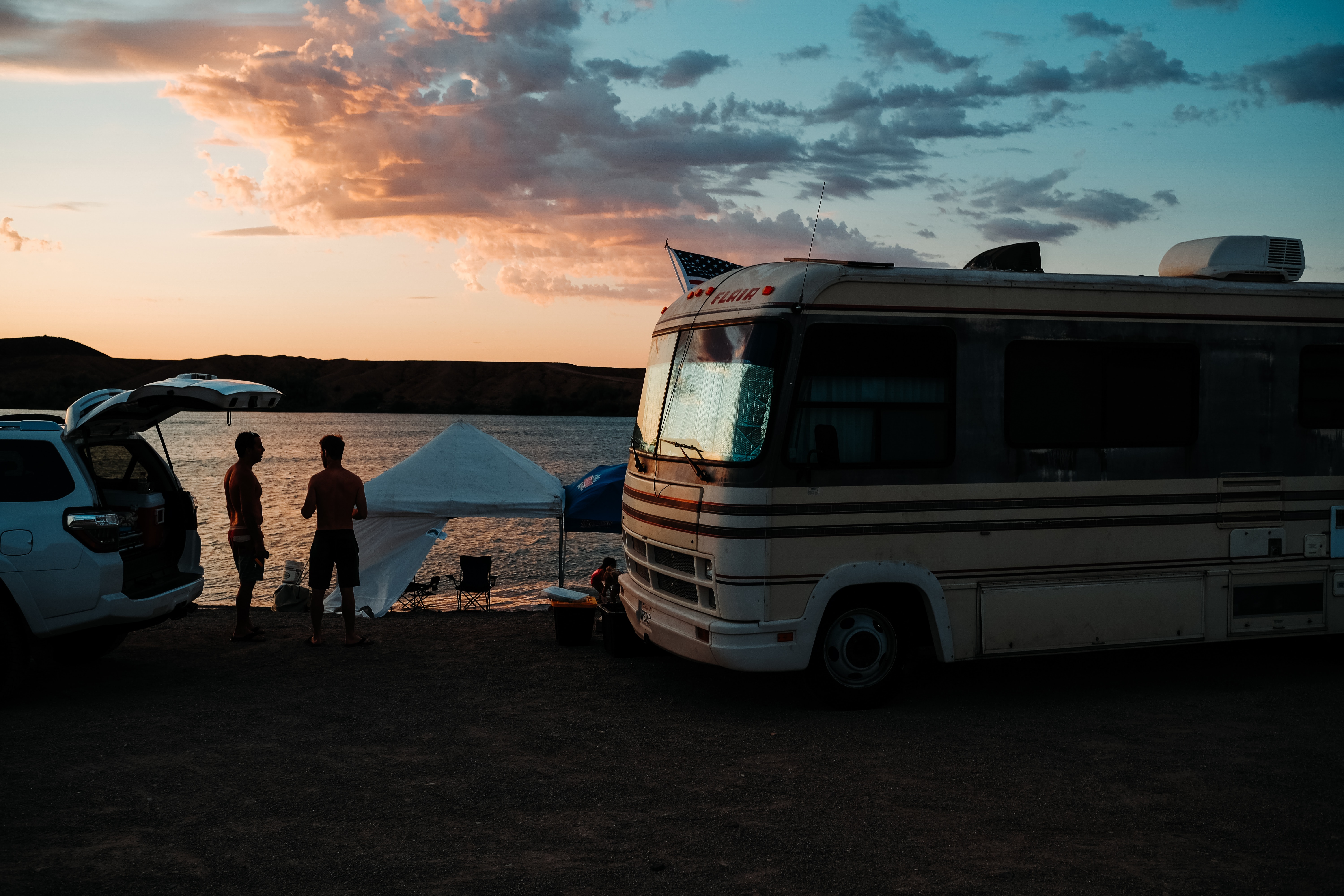
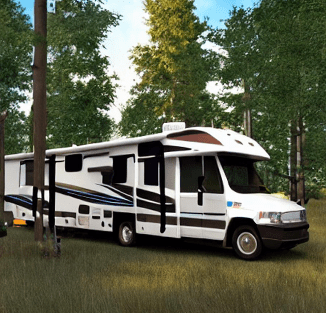
Larger motorhomes, especially those in the Class A category, can present a considerable challenge. These behemoths can exceed 40 feet in length and weigh several tons, requiring specialized handling skills. In fact, you may need a special license to drive one in your state. Class Cs can be long, but tend to be easier to drive. If you’re new to RV rental, you should consider starting with a smaller travel trailer or class C.
Towing vs. Driving
The choice between towing and driving an RV also impacts the level of difficulty. Towing an RV means that you are pulling it behind your vehicle, while driving an RV usually involves operating a self-contained motorhome. Both options have their own benefits and drawbacks.
Towing an RV demands proper hitching, weight distribution, and towing capacity considerations. If you’re not familiar with these aspects, it can be challenging to tow safely. Moreover, towing can place added stress on your vehicle, potentially affecting its performance and longevity. With that said, towing a smaller travel trailer is easy to get used to. Even if you’ve never towed anything before, you’ll adjust to it after you get some miles under your belt.
Driving a motorhome, on the other hand, eliminates the need for towing but introduces a new set of challenges. The sheer size and weight of a motorhome can be intimidating, especially for first-time RVers. Getting into and through tight spaces, handling strong winds, and braking safely require some skill. However, a class C is very much like driving a moving truck. So, if you can drive a U-haul, you can drive a class C.
Handling and Control
RVs, regardless of size, often handle differently than regular vehicles. This difference in handling is a result of several factors:
Weight
RVs are significantly heavier than most passenger vehicles, which means they require longer stopping distances. Braking smoothly and allowing ample space between your RV and the vehicle in front of you is crucial for safety. When you’re towing, you should consider using a special tow break.
Length
Longer RVs can be challenging to maneuver, especially in tight spaces, parking lots, and campgrounds. Learning to make wide turns and plan your route carefully is essential. There’s no going through a fast food drive-thru while you’re driving or towing an RV!
Wind Resistance
The tall and boxy shape of many RVs makes them susceptible to wind resistance. Driving in strong winds can be challenging, and it’s essential to maintain a firm grip on the wheel. For instance, many RVers avoid the Skyway Bridge in Tampa, FL on windy days.
Center of Gravity
RVs have a higher center of gravity than most vehicles, which can lead to instability if not handled correctly. Sudden swerves or sharp turns easily result in loss of control.
Blind Spots
RVs often have larger blind spots than regular vehicles. Properly adjusting your mirrors and being aware of these blind spots is crucial for safe driving.
RV-Specific Skills
To overcome the challenges of towing or driving an RV, you should know some basics. If you’re working with a reputable RV rental company in Naples, they may explain all of this during the walk-through.
- Set up and level your RV at the site
- Connect and disconnect utilities (water, electricity, sewage)
- Dump the gray and black tank
- Operate the systems, such as the generator, heating, and cooling
The rental owner should also give you some tips on driving it safely. With their help, you can handle the rig like a pro.
Terrain and Road Conditions
Another factor that can influence the difficulty of towing or driving an RV is the terrain and road conditions. Driving on smooth, well-maintained highways is generally easier than navigating narrow, winding mountain roads or dealing with adverse weather conditions. You should always keep your speed relatively low. In fact, your rental might have a maximum recommended driving speed.
Mountainous terrain presents challenges related to steep grades and sharp turns. Towing a heavy RV uphill requires a powerful towing vehicle with the right engine power and a robust transmission. Going downhill can be equally challenging, as you’ll need to use engine braking or auxiliary braking systems to control your speed and prevent brake overheating.
Road conditions, including potholes, rough pavement, and construction zones, can also add to the difficulty of your trip. RV suspension systems may not provide the same level of comfort as a passenger vehicle, making rough roads less pleasant to navigate.
Handling Your RV Rental in Naples, FL
Towing or driving an RV can be as easy or as challenging as you make it. While there are some challenges associated with RV travel, it’s easier than you think. Don’t let fear of driving keep you from your RV rental in Naples, FL! Call us and book your rental today.







 Campin Style RV Rentals